Paver Sealing Longevity in Florida Homes
Home Improvement, Paver Maintenance, Florida Homes
How Long Does Paver Sealing Really Last in Florida?
If you live in Florida and have a paver driveway, pool deck, or patio, sealing is one of the best ways to protect your investment. But how long does paver sealing actually last in Florida’s heat, humidity, and daily sun exposure? Let’s break down realistic timelines, what affects longevity, and how to get the most from each sealing job.
So, How Long Does Paver Sealing Last in Florida?
In Florida, a quality paver sealing job typically lasts 18 to 36 months before it needs to be refreshed. That range depends on several factors, but for most homeowners, planning to reseal every 2–3 years is a practical rule of thumb.
Unlike cooler or less humid regions, Florida’s environment is tough on sealers. Intense UV rays, frequent rain, salt air near the coast, and heavy use around pools and driveways all work together to break down the protective coating faster. That is why comparing your Florida home to online advice from other states can be misleading—our climate simply wears sealers out sooner.
Key Factors That Affect How Long Sealing Lasts
1. Type and Quality of Sealer Used
Not all paver sealers are created equal. In Florida, most professionals use either water-based or solvent-based acrylic sealers, often with added UV protection. Higher-quality products create a more durable film, resist yellowing, and stand up better to pool chemicals and oil stains on driveways. A bargain sealer might look good for a few months but usually breaks down much faster, sometimes in under a year.
2. Sun Exposure and Weather Conditions
Areas that bake in direct sun all day—like open driveways or south-facing patios—tend to see sealers wear out on the faster end of the 18–36 month window. Shaded walkways or covered lanais may hold their finish closer to the three-year mark. Coastal homes often deal with salt spray, which can also shorten the life of the sealer and require more frequent maintenance.
3. Foot Traffic, Vehicles, and Pool Chemicals
High-traffic areas naturally wear down faster. Driveways that support multiple vehicles, or pool decks where people are constantly walking, dragging chairs, and splashing chlorinated water, will often need resealing sooner than a quiet side path. Tire friction, oil drips, and frequent cleaning with harsh products can all thin the sealer over time.
4. Surface Preparation and Application Quality
Even the best sealer will not last if the prep work is poor. In Florida, pavers quickly collect mildew, sand, and efflorescence (that white, chalky-looking residue). If these are not thoroughly removed before sealing, the product cannot bond properly and may start peeling, flaking, or turning cloudy well before the two-year mark. Professional cleaning, joint sanding, and correct drying time before sealing all play a big role in longevity.
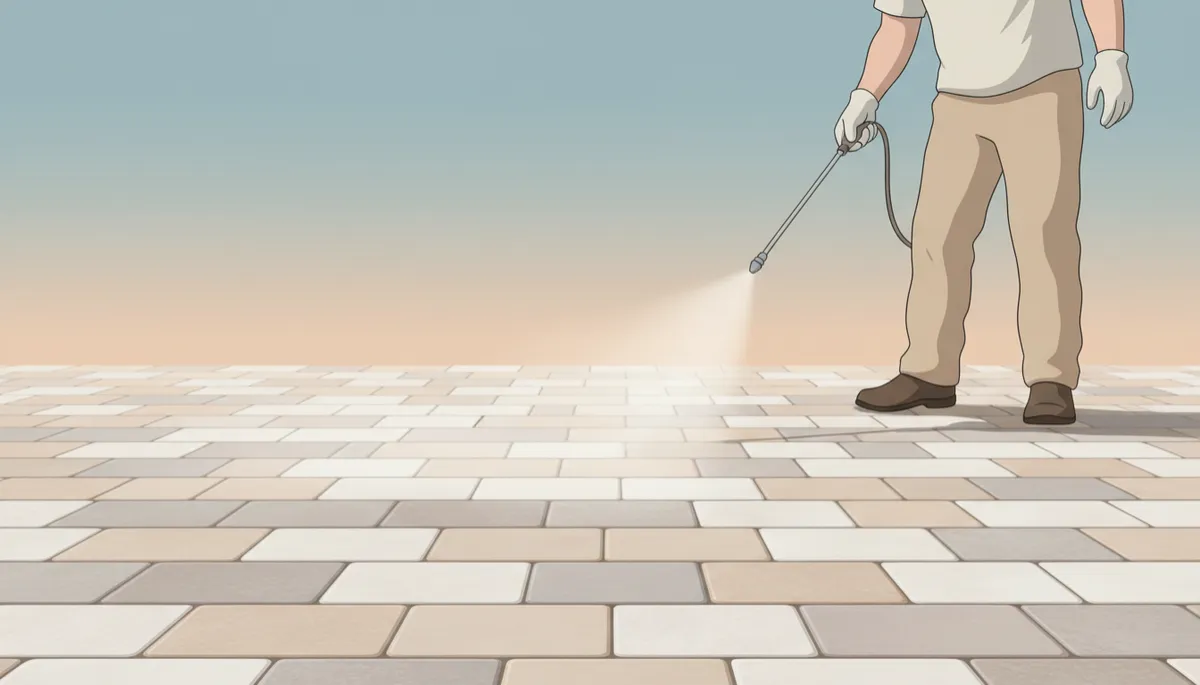
Proper surface prep and application can easily add a year or more to sealer life.
Signs Your Pavers Need to Be Resealed
Instead of waiting for an exact date on the calendar, watch for visual clues that your sealer is nearing the end of its life:
The pavers look dull or chalky instead of rich and enhanced in color.
Water no longer beads on the surface but soaks in quickly.
Sand is washing out of the joints more easily after rainstorms.
Stains from leaves, rust, or oil are harder to remove than before.
If you are seeing two or more of these signs and it has been around two years since your last sealing, it is usually time to schedule a new application—especially before another brutal Florida summer sets in.
How to Help Your Sealer Last Longer in Florida
While you cannot change the climate, you can take simple steps to stretch the life of each sealing job toward the longer end of that 18–36 month range:
Rinse pavers regularly to remove sand, salt, and debris before they abrade the surface.
Use mild cleaners designed for sealed pavers instead of harsh chemicals or strong acids.
Place pads under furniture legs and avoid dragging heavy items across the surface.
Address oil or rust stains quickly before they penetrate and require aggressive cleaning.
💡 Pro Tip: Keep a simple maintenance calendar. A quick rinse every couple of weeks and a gentle wash every few months can add months of life to your sealer in Florida’s harsh environment.
The Bottom Line for Florida Homeowners
In Florida, you can expect a professional paver sealing job to last about two to three years under normal conditions. Some shaded, lightly used areas may stretch closer to three years, while sun-drenched driveways and busy pool decks might need attention a bit sooner. Choosing a quality sealer, insisting on thorough prep work, and committing to simple routine care are the best ways to protect your pavers and keep them looking fresh through Florida’s challenging climate.
